- +92 311 1111118
- +92 301 1111110
- Islamabad | Lahore | Dubai | London


- +92 311 1111118
- +92 301 1111110
- Islamabad | Lahore | Dubai | London
Acne and Acne Scar Treatment in Islamabad

CONTACT US
- +92 301 1111110
- +92 311 1111118
- Rana Market F-7/2, Islamabad
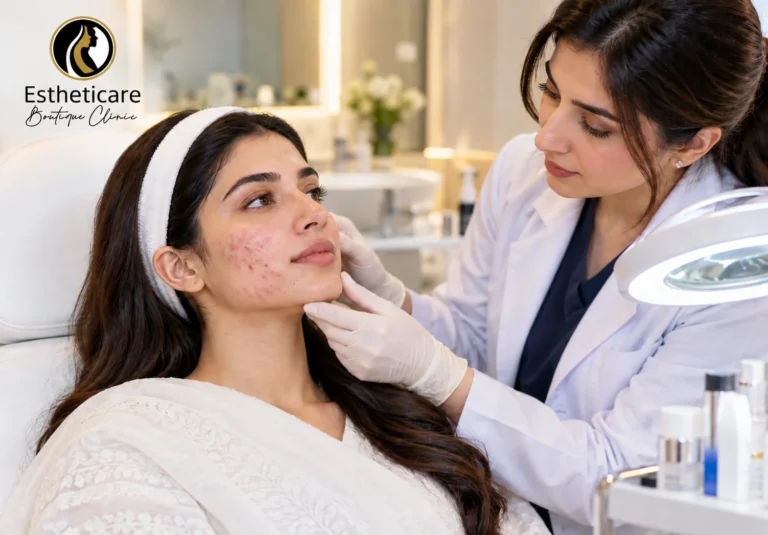
Acne can leave marks and scars that stay after the breakouts clear. For many people, acne can leave dark marks, uneven skin, and scars that may remain for years and affect their confidence. Estheticare Clinic’s Skin Care Treatments offer a personalized approach to both active acne and acne scars. Active acne and acne scars are related but require different treatment approaches. Each treatment plan is tailored to your skin and its specific needs rather than using the same approach for everyone.
Our dermatologists assess your scar type, skin tone and acne history before recommending a suitable treatment. Depending on your skin’s condition, you may need to control active breakouts first or focus on treating existing scars. If you are considering acne scar treatment in Islamabad, our dermatologists can assess your skin, recommend the right treatment options and explain what results you can expect.
Why Acne Happens and Why It Leaves Scars
Acne happens when hair follicles become blocked with extra oil, dead skin cells and bacteria, including Cutibacterium acnes (C. acnes). Hormonal changes can increase oil production, especially during the teenage, pregnancy, or other times when hormone levels change. This extra oil can clog the pores and cause blackheads, whiteheads, pimples, nodules, or cysts. When acne becomes severe or deeply inflamed, it can damage the skin and leave scars. If the skin produces too little collagen during healing, it can result in pitted scars. If it produces too much collagen, it can lead to raised scars.
Acne marks are different from acne scars. Marks such as post-inflammatory hyperpigmentation (PIH) appear as flat dark spots on the skin and often fade with time. Red or pink marks can also remain after acne and are not true scars. Acne scars affect the skin’s texture and may need specific treatment to improve their appearance. Therefore, identifying the type of acne scar is an important step because different scars may respond better to different treatment options.
Types of Acne We Treat
Acne can appear as a few small spots or develop into deep, painful, and long-lasting breakouts. Knowing the type and severity of acne helps a dermatologist choose the right acne treatment. Mild acne may respond to skincare or topical medicines, while more severe acne may need prescription treatment or in-clinic procedures.
- Whiteheads and blackheads: These are common types of mild acne caused by clogged pores. Whiteheads form under the skin, while blackheads appear as dark spots on the skin’s surface.
- Papules and pustules: These are red, inflamed pimples that may be tender or painful. Pustules contain pus and can appear as small white or yellow bumps surrounded by redness.
- Nodules and cysts: These are deeper and more painful forms of acne. They can cause inflammation deep within the skin and have a higher risk of leaving acne scars, making timely acne treatment important.
- Hormonal and adult acne: Hormonal acne often appears around the jawline, chin, and lower face. It can develop when hormonal changes increase oil production and may continue into adulthood. If you are looking for acne treatment in Islamabad, identifying the type of acne is an important part of choosing the right treatment.
Types of Acne Scars We Treat
Choosing the right clinic for your botox treatment in Islamabad is the single most important decision you will make. The skill of the injector determines whether your results look natural and refreshed, or frozen and artificial. Here is why Estheticare Clinic is considered the best botox clinic in Islamabad:
- Ice-pick scars: These are small, narrow and deep pits that extend into the skin.
- Boxcar scars: These scars are wider and have clear, sharp edges. They can appear as round or oval depressions in the skin.
- Rolling scars: These are shallow, uneven depressions that give the skin a wavy appearance. They are often caused by bands of scar tissue pulling the skin down.
- Hypertrophic and keloid scars: These are raised and firm scars caused by extra scar tissue forming as the skin heals.
- Post-acne pigmentation: These are dark, red or brown marks that can remain after acne. Unlike acne scars, they do not cause a change in the skin’s texture.
Many people have more than one type of acne scar. For this reason, a combination of acne scar treatments may be recommended to address different types of scarring and improve the overall appearance of the skin. Our dermatologists can identify your scar types and create a treatment plan suited to your skin. Contact us today to discuss your treatment options and get started.
Scar Type and Treatment at a Glance
| Scar or Skin Concern | Recommended Treatment | Typical Downtime |
|---|---|---|
| Ice-pick and boxcar scars | Fractional laser resurfacing | 4 to 7 days |
| Rolling scars | Subcision, often paired with microneedling | 2 to 3 days |
| Shallow scarring and texture | Microneedling or RF microneedling | 1 to 2 days |
| Deep static depressions | Dermal fillers | None to minimal |
| Post-acne dark marks | Chemical peels or pigment-targeting treatment | None to 2 days |
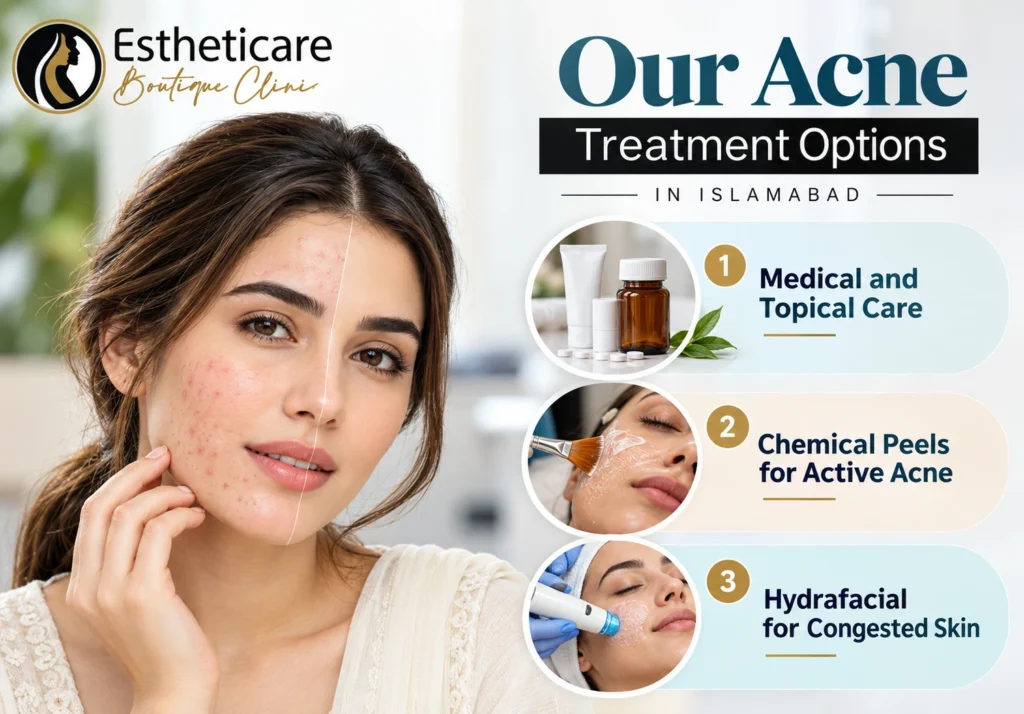
Our Acne Treatment Options in Islamabad
Active acne is usually treated before focusing on acne scars. Treating scars while the skin is still inflamed may cause further irritation or new marks. Depending on your acne type and severity, our dermatologists may recommend one or a combination of the following treatments.
1. Medical and Topical Care
For mild to moderate acne, treatment may include prescription topical medicines and, when needed, oral medication to control active breakouts. Treating acne early can also help reduce the risk of new acne scars.
2. Chemical Peels for Active Acne
Chemical peels containing salicylic or glycolic acid can help remove dead skin cells, unclog pores, and improve the appearance of mild acne. This treatment is part of our broader skin care treatment options and may be considered before moving on to treatments focused on acne scars.
3. Hydrafacial for Congested Skin
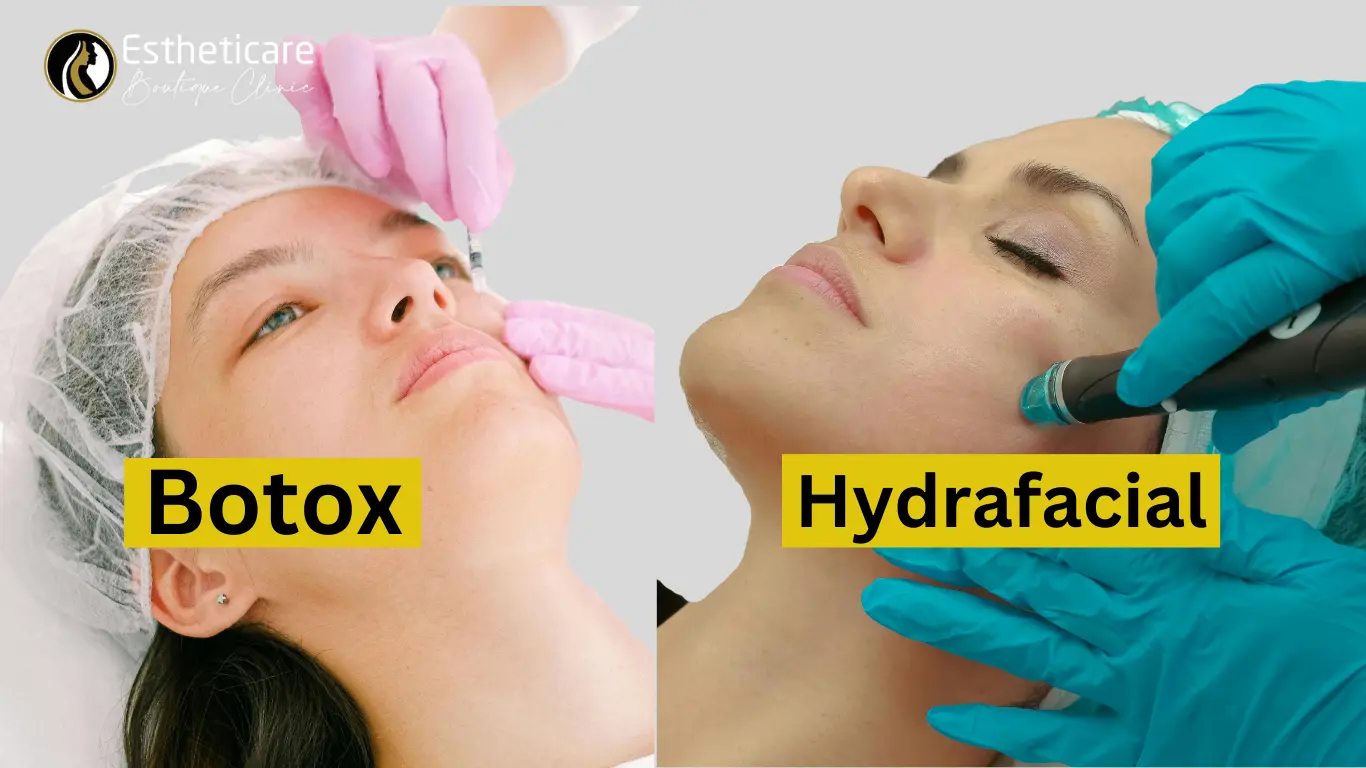
For skin affected by clogged pores, mild breakouts, or dullness, our Hydrafacial treatment combines cleansing, exfoliation, and hydration. It can help improve skin texture and leave the skin feeling refreshed while supporting a clearer-looking complexion.
Acne Scar Treatment Options with Estheticare
Once active acne is under control, our dermatologists choose a suitable treatment plan based on your scar type, skin tone, and how much recovery time you prefer.
1. Microneedling and RF Microneedling
Microneedling uses fine needles to create tiny, controlled injuries in the skin, which encourages collagen and elastin production. RF microneedling adds radiofrequency energy to reach deeper layers of the skin. These treatments can improve rolling and shallow boxcar scars, with redness usually lasting for a day or two.
2. Fractional CO 2 Laser Resurfacing
For deeper boxcar and mixed acne scars, our laser skin treatment programme includes fractional CO 2 laser resurfacing. It targets small areas of damaged skin while leaving surrounding tissue intact, helping stimulate new collagen. Redness and mild peeling may last for several days, with results developing gradually over the following weeks.
3. Subcision
The Nefertiti Lift targets the platysmal bands of the neck with botox to smooth vertical neck cords, define the jawline, and create a more lifted, youthful neck contour.
4. Dermal Fillers for Acne Scars
Hyaluronic acid dermal fillers can be used to fill certain deep, depressed acne scars and improve the skin’s appearance. Results can be visible soon after treatment, with little downtime for many patients. However, fillers are temporary so repeat treatments may be needed to maintain the results.
5. PRP as a Supporting Therapy
Platelet-rich plasma (PRP) is prepared from a small sample of your own blood and contains growth factors that may support skin healing. It can be used alongside microneedling or laser treatments to support recovery and improve the overall appearance of the skin. PRP is generally used as a supporting treatment rather than a standalone acne scar treatment.
6. Pigmentation and Dark Spot Correction
Post-acne marks can leave dark or uneven areas on the skin after inflammation has healed. Chemical peels may help improve these marks, depending on the type of pigmentation. For more stubborn discoloration, our skin whitening treatment programme can help improve uneven skin tone.
7. Microdermabrasion for Mild Scars
Microdermabrasion is a gentle exfoliating treatment that may help improve mild, superficial acne marks and uneven skin texture. It removes the outer layer of dead skin cells using a diamond-tipped device or fine crystals, leaving the skin looking smoother and brighter. Several sessions may be needed to achieve gradual improvements.
8. Cryotherapy for Raised Scars
Cryotherapy may be used for raised acne scars, such as hypertrophic or keloid scars. The treatment uses controlled freezing to reduce excess scar tissue and help flatten the raised area over time. In some cases, cryotherapy may be combined with steroid injections as part of a treatment plan for raised scars.
What to Expect: Results, Sessions, and Downtime
Cryotherapy may be used for raised acne scars, such as hypertrophic or keloid scars. The treatment uses controlled freezing to reduce excess scar tissue and help flatten the raised area over time. In some cases, cryotherapy may be combined with steroid injections as part of a treatment plan for raised scars.
| Treatment | Number of Sessions | Downtime | Expected Results |
|---|---|---|---|
| Microneedling | Usually, 3 to 6 sessions | Mild redness for 1 to 2 days | Gradual improvement in skin texture and the appearance of acne scars |
| RF Microneedling | Usually, 3 to 4 sessions | Mild redness and swelling for a few days | Smoother skin texture and reduced appearance of depressed scars |
| Fractional Laser Resurfacing | Often 2 to 4 sessions | Several days, depending on treatment intensity | Gradual improvement in acne scars, skin texture, and uneven tone |
| Chemical Peels | May require several sessions | Mild redness or peeling for a few days | Improvement in acne marks, pigmentation, and overall skin texture |
| Subcision | May require 1 to 3 sessions | Mild swelling or bruising for a few days | Improvement in rolling and tethered acne scars |
| Dermal Fillers | Usually 1 session, with repeat treatment when needed | Usually, minimal downtime | Immediate improvement in the appearance of selected depressed scars |
| Microdermabrasion | May require several sessions | Usually little to no downtime | Gradual improvement in mild acne marks and uneven skin texture |
| Cryotherapy | May require multiple sessions | Mild swelling, redness, or tenderness | May help flatten raised hypertrophic or keloid scars over time |
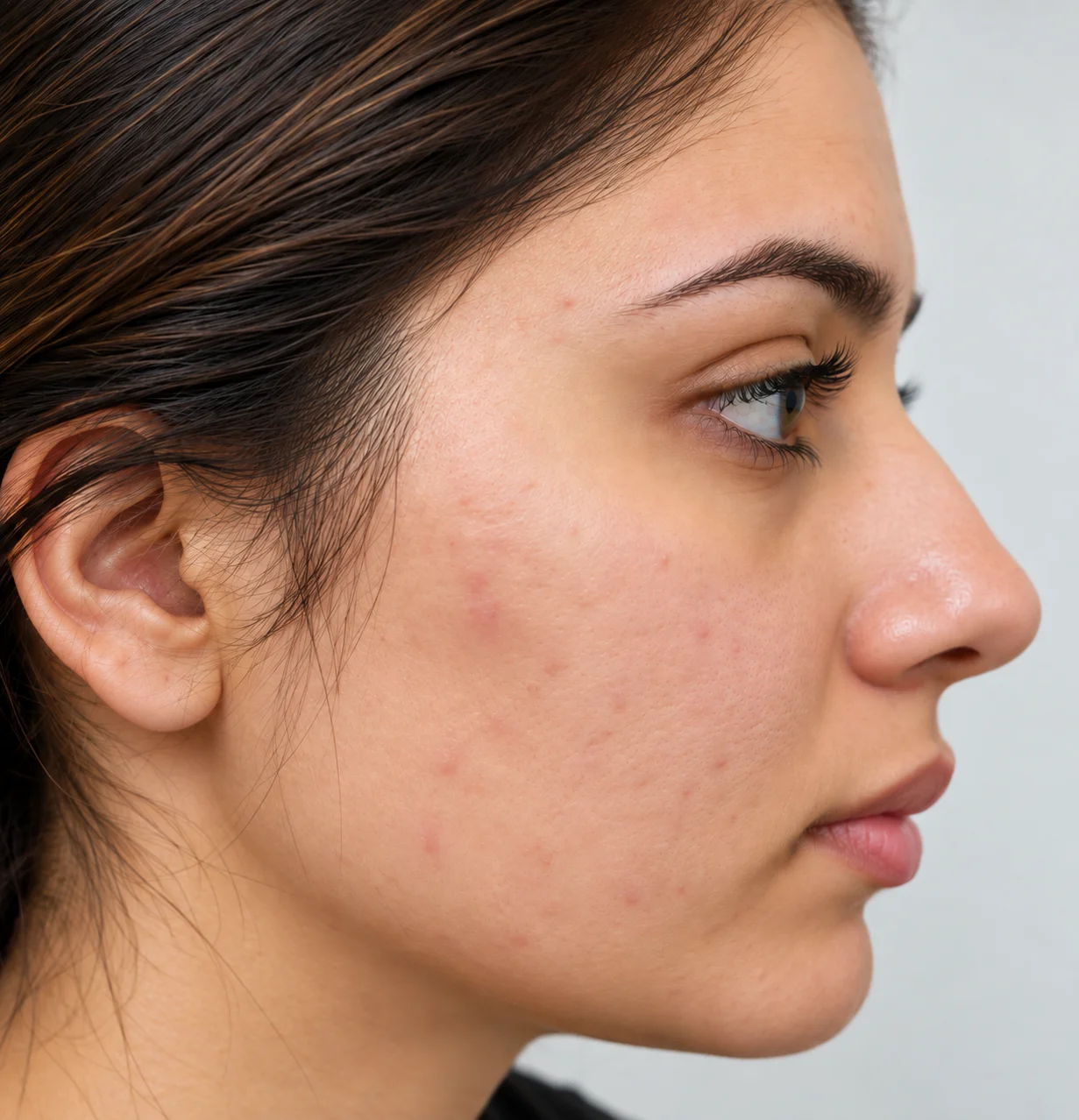
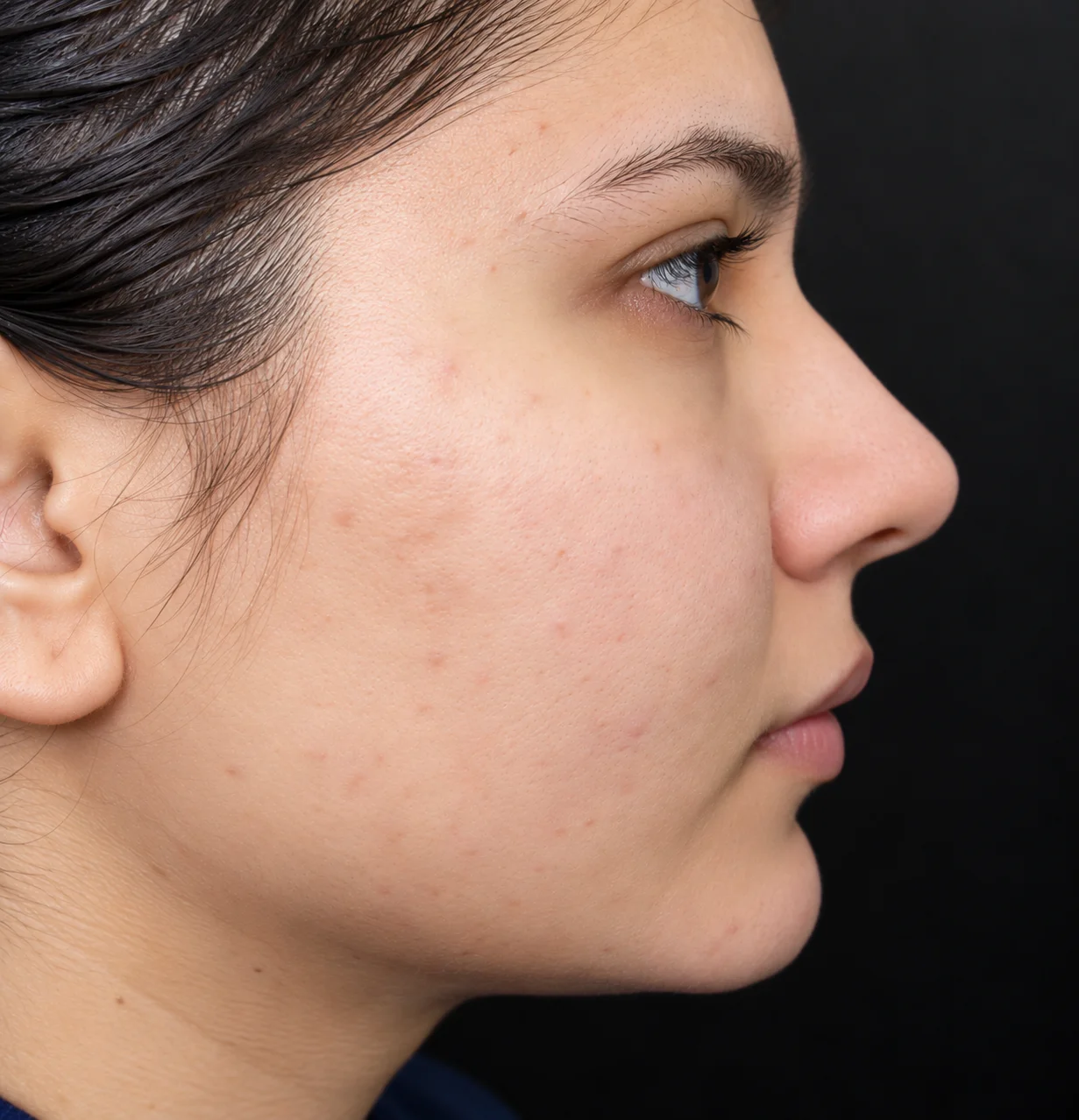
Before and After Result
 After
After 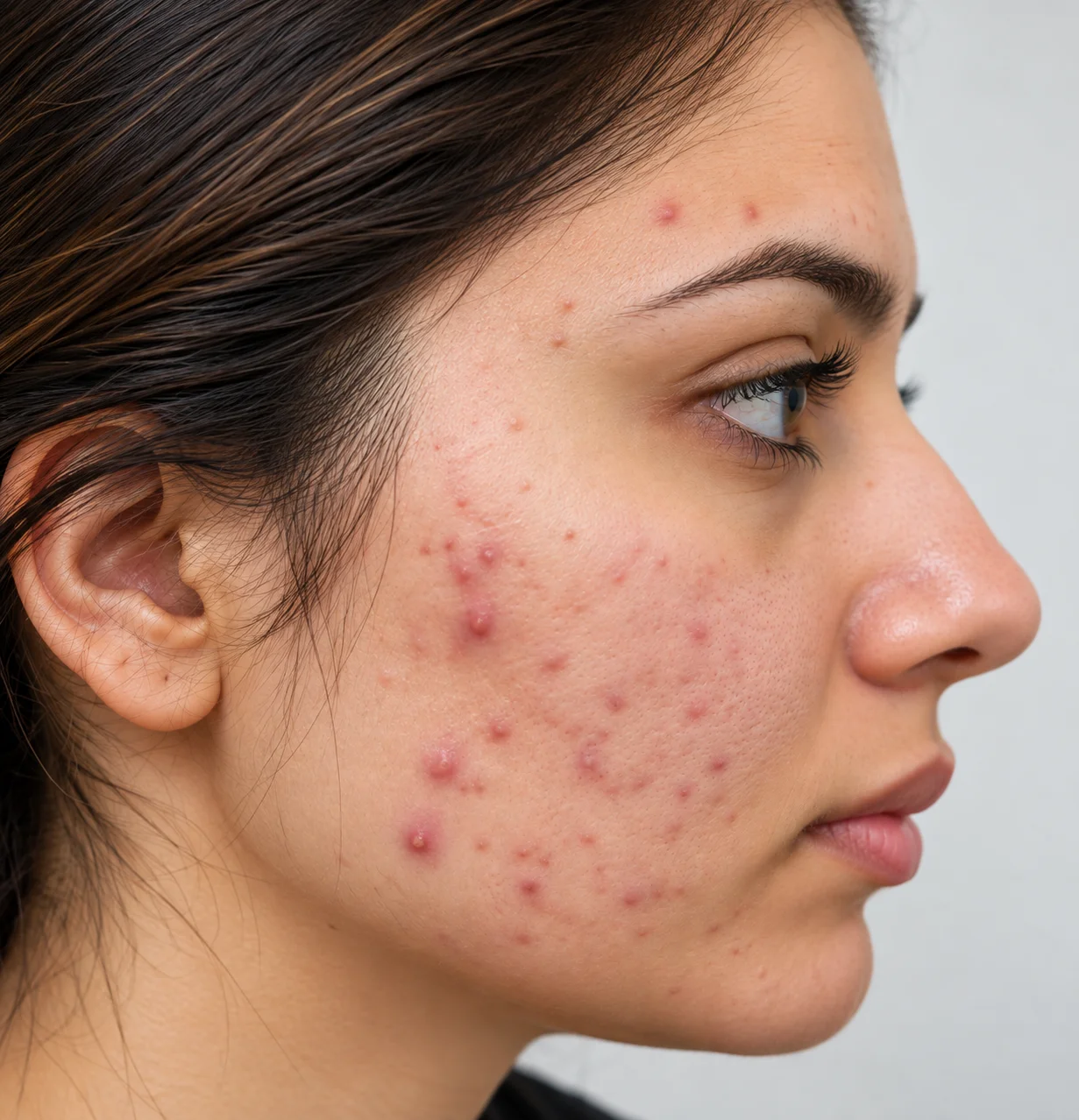 Before
 Drag
 After
After 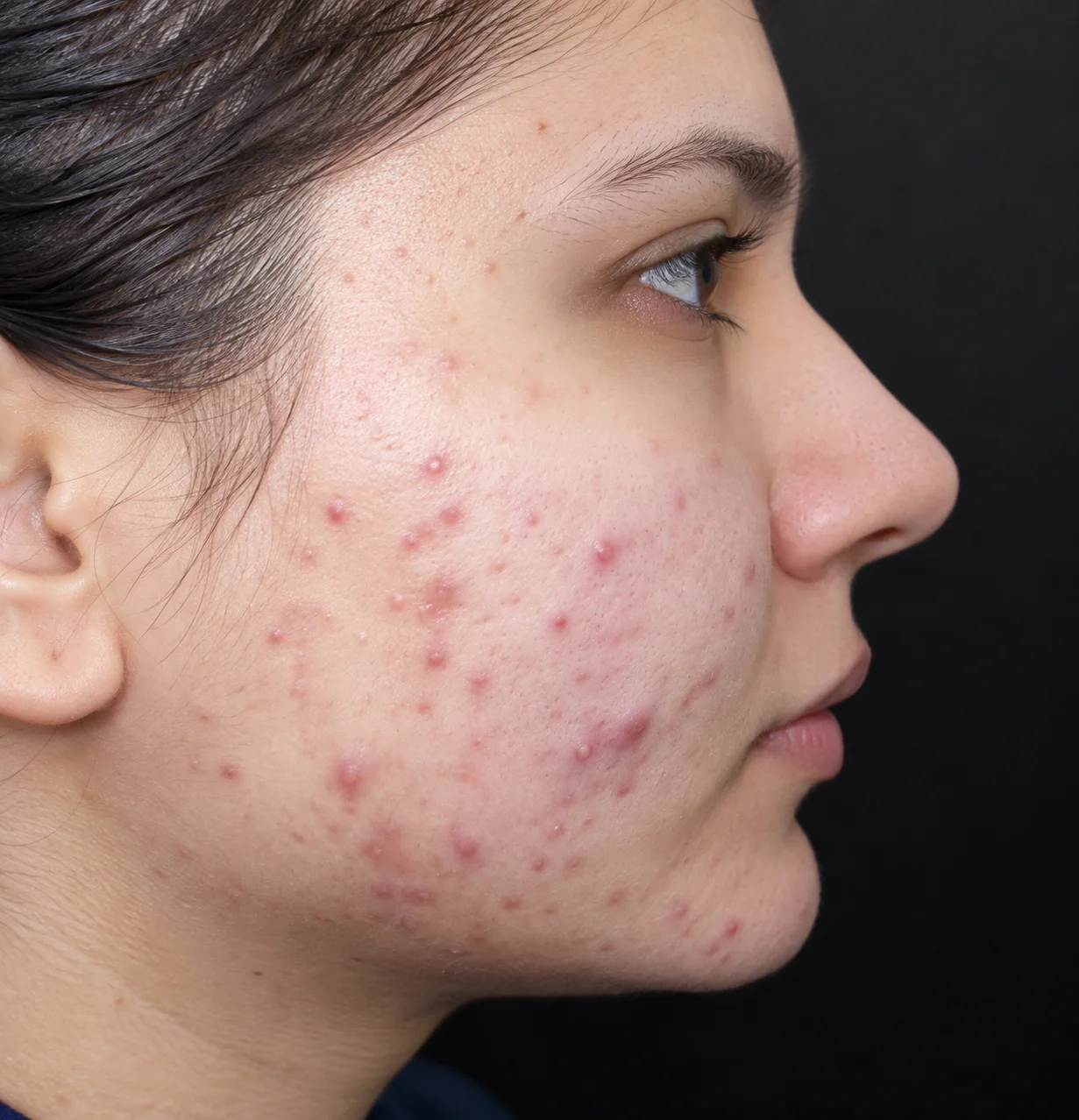 Before
 Drag
Who Should Consider Acne Scar Treatment
- People with visible acne scars or uneven skin
- Individuals without active skin infections
- Patients with realistic treatment expectations
- People without active acne breakouts
- Men and women seeking smoother, even-toned skin
- Individuals willing to follow aftercare instructions
- Adults over 18 with stable skin
Cost of Acne Scar Treatment in Islamabad
The cost of acne scar treatment in Islamabad, Rawalpindi and Pakistan usually ranges from PKR 8,000 to PKR 20,000 per session, depending on the treatment used and the severity of the scars.
Factors Affecting the Cost
- Type of acne scar treatment
- Type and severity of acne scars
- Number of sessions required
- Dermatologist’s experience
- Aftercare and prescribed products
- Equipment and treatment technology
- Individual skin condition
Preparing Your Skin Before Acne Treatment
- Avoid retinol and strong exfoliants 48 hours before treatment
- Skip waxing, threading, or other irritating skin procedures
- Avoid direct sun exposure and tanning before your appointment
- Arrive with clean, dry, and completely makeup-free skin
- Tell your specialist about medicines and active skincare products
- Keep your skin hydrated before your acne treatment session
Aftercare for Acne and Acne Scar Treatment
- Avoid touching, scratching, or picking the treated skin area
- Skip harsh skincare products for a few days after treatment
- Apply sunscreen daily to protect your healing skin properly
- Keep your skin hydrated during healing.
- Avoid heavy makeup immediately after your acne scar treatment
- Follow the recommended aftercare routine for better treatment results
Why Choose Estheticare Clinic
Our consultant dermatologists carefully examine your acne scars, skin type, and current skin condition before choosing a suitable treatment. Since different scars need different approaches, your treatment plan is based on your individual needs rather than a standard package. We use modern treatment equipment and follow appropriate hygiene and safety measures throughout the procedure. Laser treatments and chemical peels are selected according to your skin type and scar concerns, with suitable settings used to help reduce the risk of unwanted pigmentation. You can read more about our approach on our About Us page.
Book Your Consultation
If acne scars have been affecting your confidence, the first step is a proper skin assessment rather than guessing which treatment might work. Book a consultation or get in touch with our team, and our dermatologists will walk you through a treatment plan built specifically for your skin type, scar pattern, and goals.
Frequently Asked Questions
1. Is acne scar treatment painful?
Most acne scar treatments cause mild discomfort rather than significant pain. Numbing cream may be used before procedures such as microneedling, RF microneedling, or laser treatment to make the procedure more comfortable.
2. How many sessions will I need for visible results?
The number of sessions depends on your scar type, severity, and chosen treatment. Some patients may need several sessions, with treatments usually spaced a few weeks apart.
3. Can acne scars be removed completely?
Acne scars cannot always be removed completely. However, suitable treatment can reduce their appearance, improve skin texture, and make scars less noticeable.
4. Is treatment safe for darker or sensitive skin tones?
Many acne scar treatments can be used for darker skin, but treatment must be selected carefully. Your dermatologist can adjust the treatment based on your skin type to help reduce the risk of pigmentation changes.
5. What is the difference between acne marks and acne scars?
Acne marks are flat red, pink, or dark areas left after a breakout and often fade over time. Acne scars cause changes in the skin’s texture and may require specific treatment to improve their appearance.
6. When can I resume my normal skincare routine after treatment?
This depends on the procedure and how your skin responds. Your dermatologist will advise when to restart your usual products and may recommend a gentle skincare routine during the recovery period.