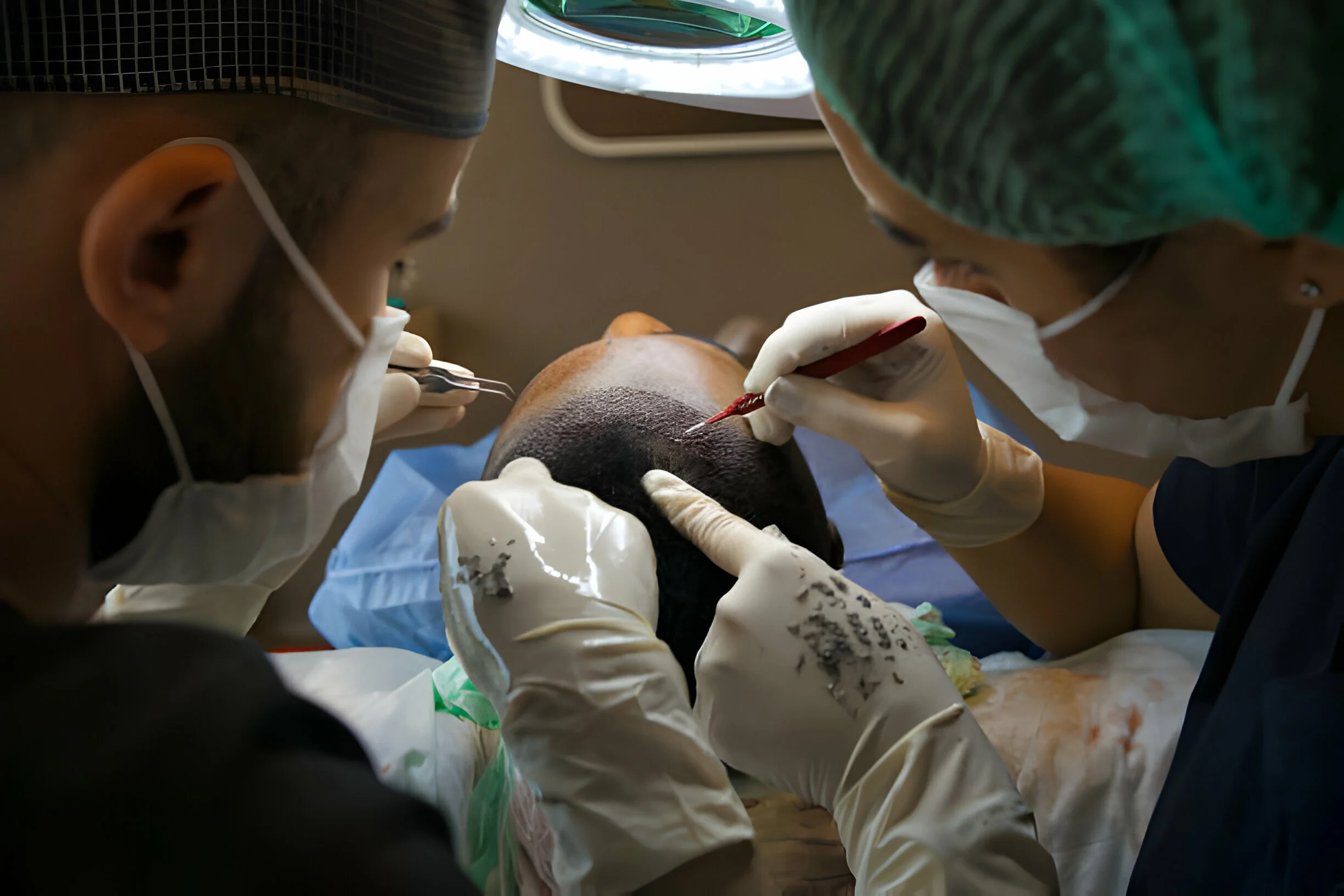
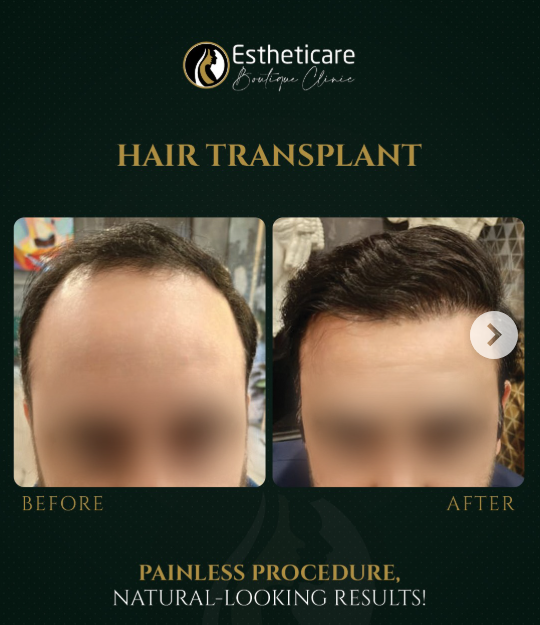
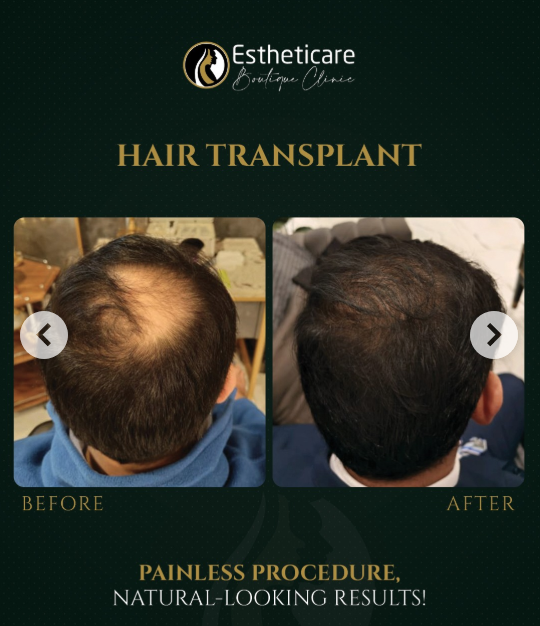
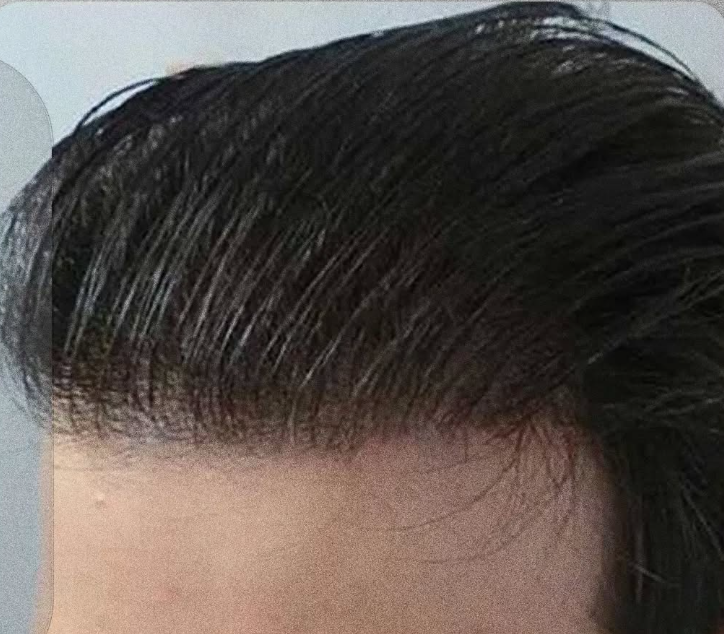
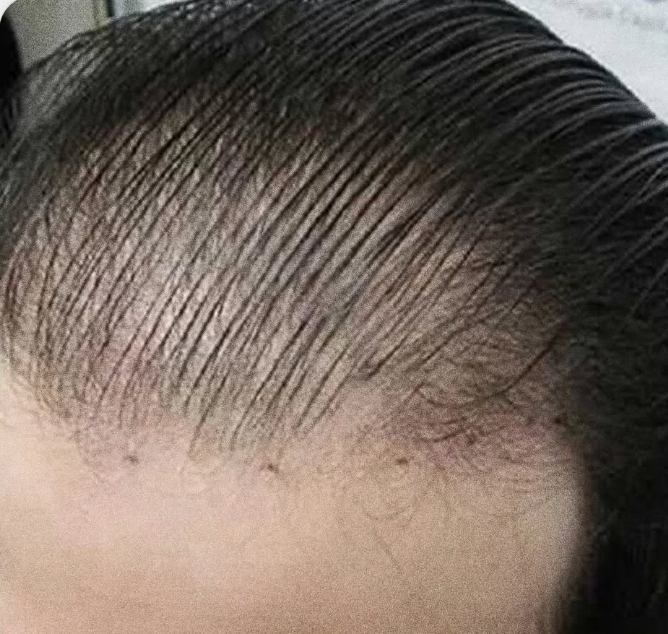
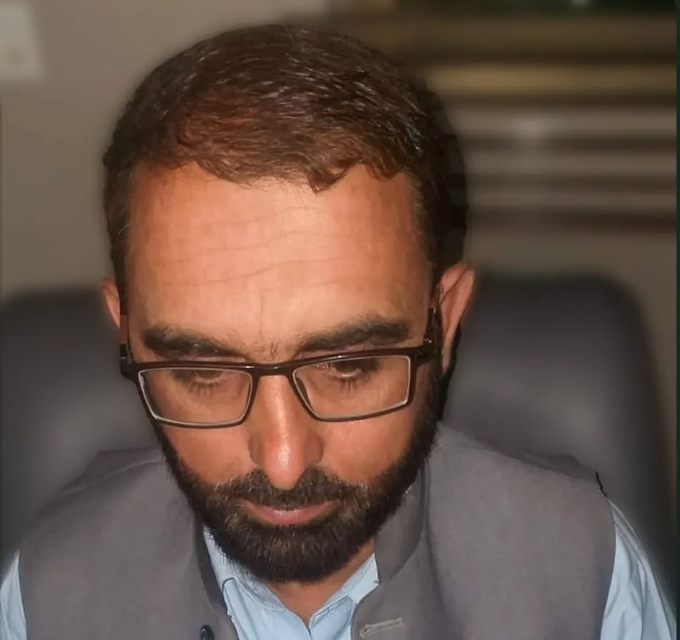
The FUE Hair Transplant procedure at Estheticare Clinic is carefully designed to restore hair growth from the receding hairline to male pattern baldness and female pattern baldness, but in a comfortable manner.
Step 1: Personalized Consultation
Your treatment will start with an extensive consultation with specialists, during which our experts will determine the condition of your scalp and your hair loss pattern. This will enable us to tailor a plan for a natural-looking hairline according to your demands.
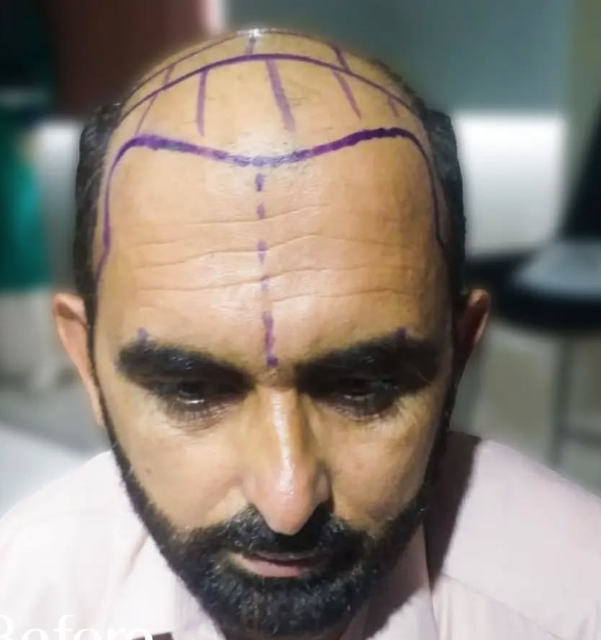
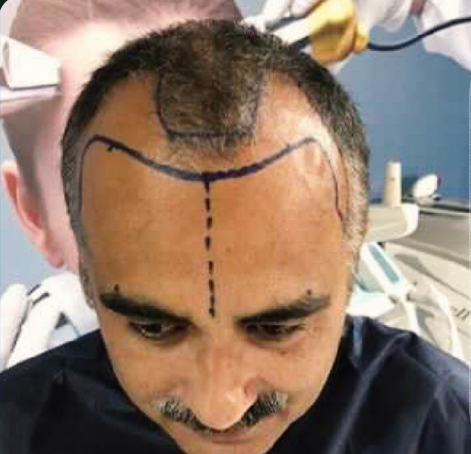
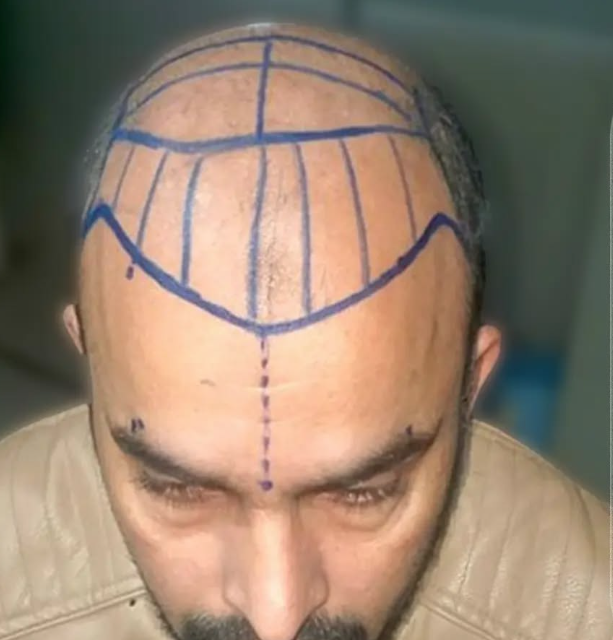
Step 2: Mapping the Donor and Recipient Areas
Every FUE procedure begins with a detailed consultation and a final review of the patient’s transplant goals.
Once expectations are aligned, the surgeon:
- Marks the donor zone (the area where grafts will be extracted)
- Outlines the recipient zone, including a custom hairline design
- Confirms with the patient that the planned areas match their expectations
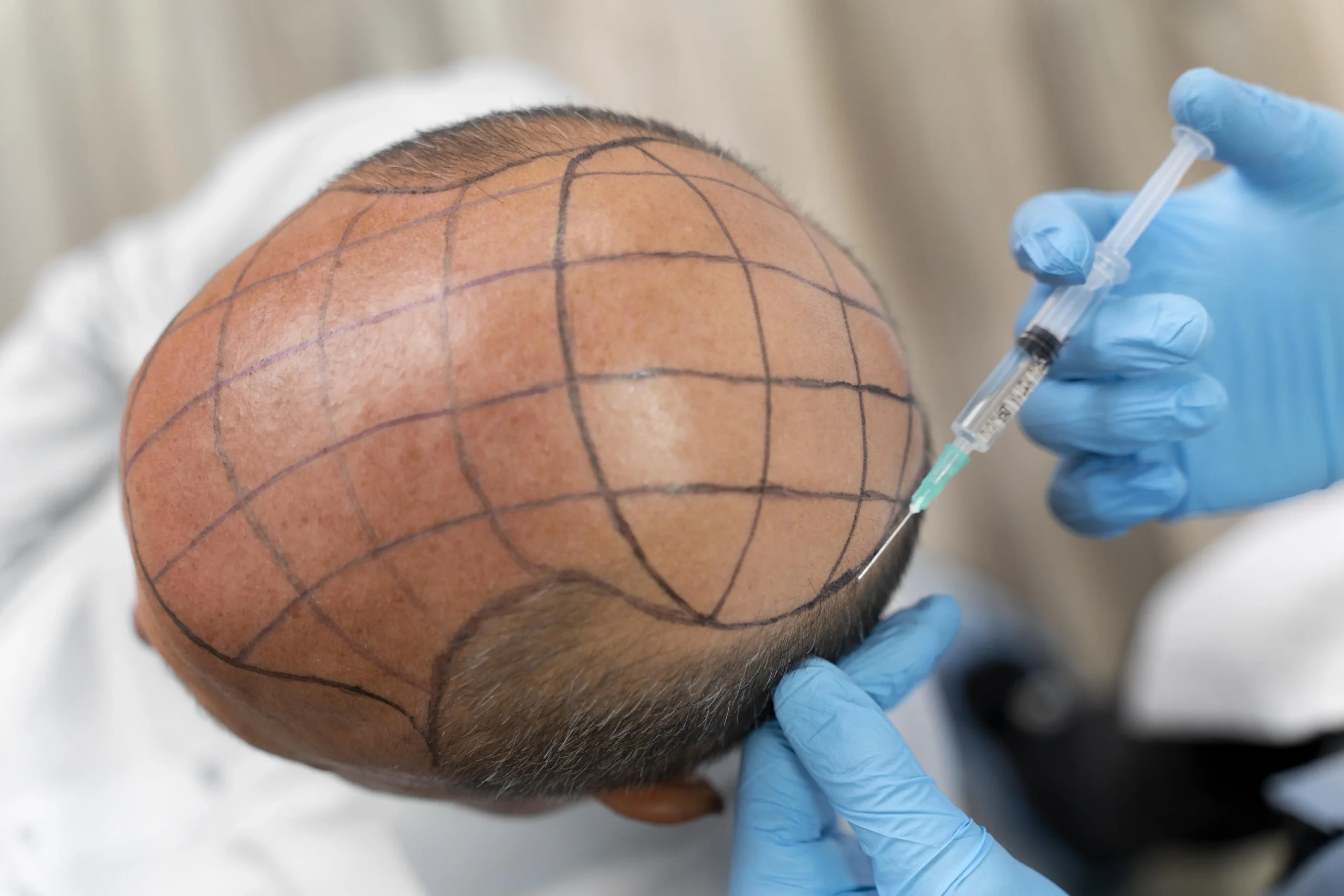
Proper planning is essential. For instance, if a patient wants the crown restored but only the hairline is transplanted, the results will not meet expectations. Surgeons often use grid patterns on the donor area to ensure grafts are harvested evenly and safely.
Step 3: Administering Local Anesthesia
After the design is finalized, the next step is numbing the scalp. Most surgeons use:
- Local anesthesia to numb the donor and recipient zones
- Optional sedation (oral, IV, or intramuscular) for added comfort
Many clinics use a diluted tumescent anesthesia technique, which helps the numbing effect last longer while reducing the total amount of anesthetic required. This makes the procedure more comfortable and helps maintain safety throughout surgery.
Step 4: Creating the Recipient Sites
In some clinics, the surgeon begins by preparing the tiny channels or slits where the grafts will later be placed. Before making all the recipient sites, the surgeon may extract a small number of grafts to:
- Test the size
- Ensure accurate fit
- Confirm natural-looking placement
However, not all surgeons choose to create recipient sites first. Some prefer harvesting grafts before preparing the implantation areas.
Step 5: Harvesting the Hair Grafts
Based on the number of sites created (or based on the patient’s needs), the surgeon determines how many grafts must be harvested.
Harvesting involves:
- Extracting individual follicular units from the donor area
- Using a micro-punch tool (manual, motorized, or robotic)
- Preserving grafts carefully to maintain viability
Again, the sequence of harvesting vs. making recipient sites varies between surgeons.
Step 6: Implanting the Hair Grafts
Once the grafts are ready and the recipient sites have been created, the final step is placement.
This is usually performed by trained technicians under the surgeon’s supervision.
The team places the grafts:
- At the correct angle
- With the proper direction
- With the appropriate density
- Following the natural growth pattern
This step requires precision and experience because correct placement determines how natural the final result will appear.
Step 7: FUE Recovery Process
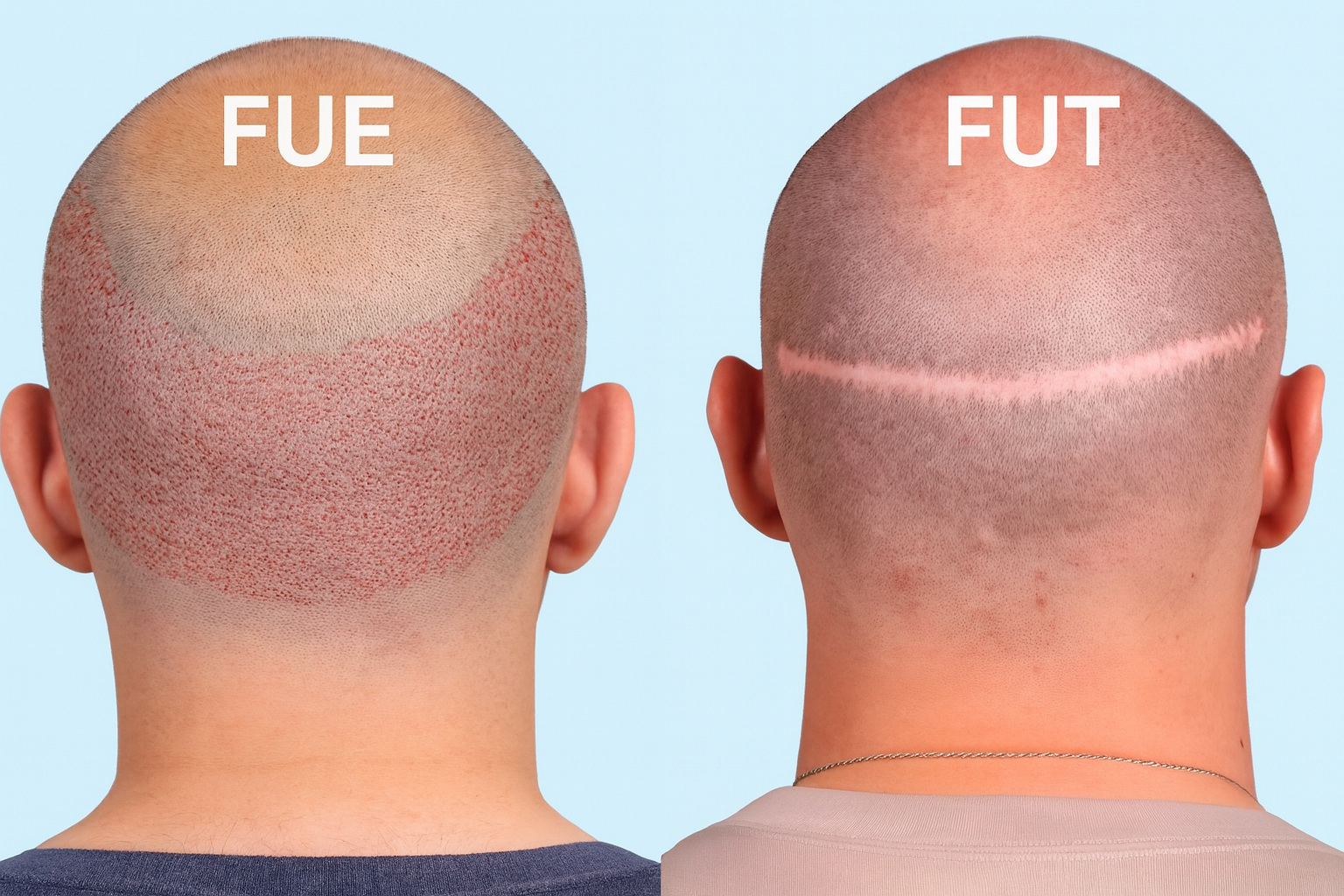
Recovery after FUE is typically quicker and more comfortable compared to traditional strip surgery. Most procedures involve shaving the donor area prior to extraction.
Here’s what to expect:
- Small scabs appear in both the donor and recipient areas
- Scabs usually flake off gently within 7 – 14 days, depending on surgeon’s instructions
- Newly transplanted hairs often shed in the first few weeks. This is normal
- The roots remain intact and begin producing new hair after a few months
- Visible new growth usually begins around 3 – 4 months
- Full results often take 10 – 14 months, as hair grows roughly 1 cm per month
Postoperative instructions can vary significantly between clinics. Surgeons may differ in their recommendations regarding:
- Bandages
- Saline sprays
- Sleeping position
- Exercise
- Hair washing
- Sun exposure
It is always best to follow the specific recovery instructions provided by your surgeon rather than relying on general information found online.
If you want to regain your confidence or reverse years of hair loss, our advanced FUE hair transplant, that is considered as best hair transplant in Islamabad, is available to support you.